
Responsible breeding of large and medium breed dogs increasingly requires documented health screening, with elbow dysplasia certification standing alongside hip evaluation as a fundamental requirement in most breeding programs. However, the landscape of certification requirements varies dramatically between countries, kennel clubs, and breed-specific organizations. Navigating this patchwork requires understanding what each registry demands, how to obtain valid certification, and how to interpret results from different systems when evaluating imported or internationally-bred dogs.
Why Certification Matters
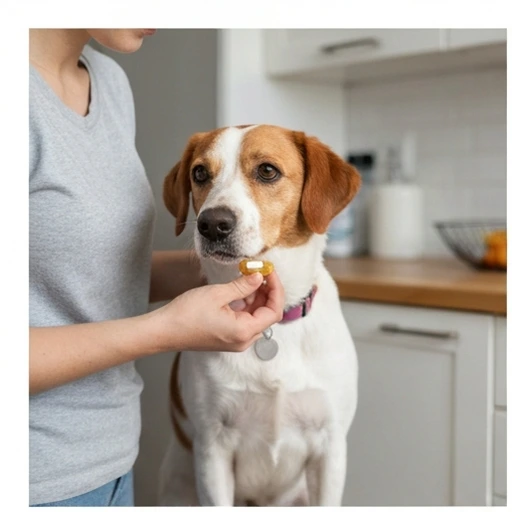
Elbow dysplasia certification serves multiple purposes in responsible breeding programs. At the individual level, it identifies dogs with radiographic evidence of disease who should be excluded from breeding. At the population level, consistent screening creates data that enables tracking of prevalence trends and informs breeding value calculations.
Breed clubs increasingly mandate elbow certification for breeding stock, and many puppy buyers now expect documentation as evidence of health-conscious breeding practices. Failure to screen breeding stock not only risks producing affected puppies but increasingly marks breeders as uninformed or indifferent to health considerations.
Certification Limitations
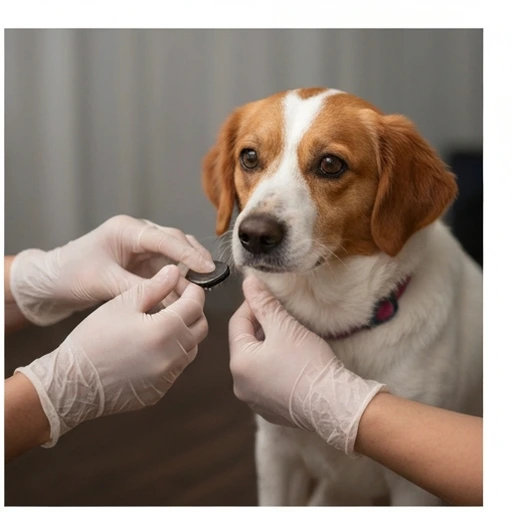
Certification documents phenotype at a single point in time, not genotype. A Grade 0 certificate indicates absence of radiographic disease at the screening age; it does not guarantee that the dog cannot produce affected offspring or that disease will not develop later. Breeding decisions should integrate certification results with pedigree analysis, not rely on individual screening alone.
Major Certification Registries
Several organizations provide elbow dysplasia certification, each with distinct requirements, procedures, and grading systems. Understanding these differences enables appropriate interpretation of documentation from various sources.
Orthopedic Foundation for Animals (OFA)
The OFA provides the primary elbow certification system in North America, maintaining a searchable public database of over 750,000 elbow evaluations.
OFA Requirements
- Minimum age: 24 months for official certification; preliminary evaluations available from 4 months
- Required views: Three views (flexed ML, extended ML, CrCd)
- Identification: Microchip or tattoo linked to radiographs
- Submission: Digital (DICOM preferred) or film radiographs
- Evaluation: Three independent OFA radiologists; consensus determines grade
- Reporting: Normal results published; abnormal results optional owner consent
OFA Certificate Number Format
GS-EL12345M24-NOPI GS = Breed code (German Shepherd) | EL = Elbow | 12345 = Sequential number | M = Male | 24 = Age in months | NOPI = Normal with permanent ID
BVA/KC Elbow Scheme (United Kingdom)
The British Veterinary Association and Kennel Club jointly administer the UK elbow scheme, notable for reporting individual elbow scores rather than a single grade.
BVA/KC Requirements
- Minimum age: 12 months
- Required views: Three views (neutral ML, flexed ML, CrCd)
- Identification: Microchip required; must match KC registration
- Submission: Radiographs to BVA scrutineers via KC-registered veterinarian
- Evaluation: BVA scrutineer panel
- Reporting: Dual score format (Left:Right) with total; published via KC
BVA/KC Certificate Format
Elbow Score: Left 0 / Right 1 (Total: 1) Individual elbow grades reported separately, allowing pedigree analysis of asymmetric disease
FCI/IEWG Member Schemes
Countries affiliated with the Federation Cynologique Internationale (FCI) generally follow International Elbow Working Group protocols, though implementation varies by national kennel club.
| Country | Administering Body | Minimum Age | Certification Format |
|---|---|---|---|
| Germany | National breed clubs (e.g., SV) | 12 months | ED 0, ED 1, ED 2, ED 3 |
| Netherlands | Raad van Beheer | 12 months | ED-vrij (free), ED-TC (transitional), ED+ |
| Sweden | SKK (Swedish Kennel Club) | 12 months | UA 0, UA 1, UA 2, UA 3 |
| Finland | FKC (Finnish Kennel Club) | 12 months | 0, 1, 2, 3 with EBV calculation |
| Australia | AVA/ANKC | 12 months | Dual scoring similar to BVA/KC |
Breed Club Requirements
Many breed clubs impose specific elbow screening requirements beyond national kennel club minimums. These requirements typically apply to dogs used for breeding, stud registration, or club event participation.
German Shepherd Breed Clubs
German Shepherd organizations worldwide maintain rigorous health screening requirements reflecting the breed's ED prevalence and the historical leadership of German breeding programs.
- SV (Germany): ED screening mandatory for breed survey (Korung); maximum Grade 1 for breeding approval; results recorded in Zuchtbuch
- GSDCA (USA): Recommends OFA certification for all breeding stock; mandatory for ROM (Register of Merit) program
- GSDL (UK): KC Assured Breeder Scheme requires BVA/KC elbow scoring
Labrador Retriever Clubs
- LRC (USA): Recommends OFA elbow certification for all breeding stock
- LRCGB (UK): BVA/KC elbow scoring advised; breed health scheme encourages participation
Rottweiler Clubs
Given the breed's high ED prevalence (38%+ OFA data), Rottweiler organizations emphasize screening:
- ADRK (Germany): ED screening mandatory for breeding; Grade 0-1 acceptable
- ARC (USA): Recommends OFA certification; mandatory for Code of Ethics compliance
Breed-Specific Thresholds
Different breed clubs set different acceptable grade thresholds for breeding. A Grade 1 dog might be breedable under one club's rules but excluded by another. When importing or purchasing breeding stock, verify the specific requirements of your breed club rather than assuming uniform standards.
The Certification Process
Obtaining elbow certification follows a standardized process, though details vary by registry. Understanding this process ensures smooth certification without delays or rejections. The radiographic evaluation is central to this process.
Step-by-Step Process
Verify Identification
Ensure permanent identification (microchip or tattoo) is in place and matches registration documents. Most registries require microchip scanning at the time of radiography with the number recorded on images.
Schedule Radiography
Select a veterinary facility with radiographic capability and experience with certification studies. Specialty orthopedic practices and teaching hospitals typically produce highest-quality studies. Confirm they can meet the specific technical requirements of your chosen registry.
Obtain Radiographs
Radiographs are obtained according to registry protocol (specific views, positioning requirements). Light sedation is recommended for optimal positioning. Both elbows are imaged regardless of clinical status.
Submit for Evaluation
Radiographs are submitted to the certification body along with required forms, identification documentation, and fees. Digital submission is standard for most registries; some still accept film.
Receive Results
Evaluation results are returned typically within 2-6 weeks depending on registry. Results may be delivered directly to owner, to submitting veterinarian, or both. Published databases are updated for registries with open reporting.
Cost Considerations
Certification costs vary significantly by geographic location, facility type, and whether sedation is used. Breeders should budget appropriately for routine screening of breeding stock.
| Service Component | Typical Cost (USD) | Notes |
|---|---|---|
| Radiographs (no sedation) | $150-250 | General practice rate |
| Radiographs (with sedation) | $250-400 | Recommended for optimal positioning |
| OFA evaluation fee | $35-50 | Per evaluation (elbows) |
| BVA/KC submission | £60-80 | Current UK fee schedule |
| Combined elbow + hip screening | $350-550 | Single anesthesia event; more cost-effective |
Interpreting International Certificates
When evaluating imported dogs or pedigrees with international screening data, understanding equivalencies between grading systems is essential.
| Status | OFA | BVA/KC | IEWG/FCI | German (SV) |
|---|---|---|---|---|
| Clear/Normal | Normal | 0:0 (Total 0) | Grade 0 | ED 0 (ED-frei) |
| Mild | Grade I | 0:1, 1:0, 1:1 | Grade 1 | ED 1 |
| Moderate | Grade II | 2:0, 0:2, 2:1, 1:2, 2:2 | Grade 2 | ED 2 |
| Severe | Grade III | 3:any | Grade 3 | ED 3 |
Approximate equivalencies; evaluation criteria differ slightly between systems
Cross-Border Evaluation Caution
Identical radiographs may receive different grades under different systems due to variation in evaluator criteria, grading thresholds, and technical requirements. A dog scored Grade 0 under one system might receive Grade 1 under another. When breeding decisions depend on precise grade determination, consider having critical dogs evaluated under your local system regardless of existing international certification.
Common Certification Problems
Certain issues commonly cause certification delays or rejections. Avoiding these problems streamlines the certification process:
Reasons for Rejection
- Positioning errors: Excessive rotation, insufficient flexion, or improper beam centering (see radiographic requirements)
- Image quality: Underexposure, overexposure, motion blur, or inadequate collimation
- Missing views: Incomplete view sets per registry requirements
- Identification issues: Microchip not visible/recorded, mismatch with registration
- Age non-compliance: Dog below minimum age for official certification
- Missing documentation: Incomplete application forms or registration papers
Preventing Problems
- Use facilities experienced with certification radiography
- Request light sedation for optimal positioning
- Verify microchip functionality before appointment
- Double-check age eligibility for chosen registry
- Review submission requirements completely before radiography
- Consider preliminary evaluation if official certification age is distant
Record Keeping and Documentation
Maintaining proper records of elbow certification enables pedigree analysis and meets breed club requirements for breeding documentation.
- Retain original certificates (digital or paper) indefinitely
- Keep copies of submitted radiographs for future reference
- Record certification numbers in breeding documentation
- Verify database publication for registries with open reporting
- Document screening of all breeding stock, not just certified dogs
Related Database Resources
- IEWG Scoring System - Understanding Grade 0-3 classifications
- Grading Systems Comparison - IEWG vs OFA vs BVA protocols
- Screening Protocol - Radiographic technique requirements
- Breeding Decisions - Using certification in breeding programs
- Radiographic Diagnosis - Understanding what screeners evaluate
Conclusion
Elbow dysplasia certification represents a fundamental component of responsible breeding in susceptible breeds. Understanding the requirements of relevant registries, obtaining high-quality radiographs through appropriate facilities, and maintaining proper documentation enables breeders to demonstrate health-conscious practices and contribute to population-level disease reduction. While certification has limitations and does not guarantee genetic clearance, it remains the most practical and widely available tool for identifying affected individuals and informing breeding decisions.