
The radiograph shows Grade 0, both elbows clear. Your dog can be bred without restriction, case closed. Except it is not that simple. A normal phenotype does not equal a normal genotype, and elbow dysplasia's moderate heritability (0.25-0.45) means that clear-screened dogs regularly produce affected offspring. Responsible breeding requires understanding what elbow scores actually tell us, what they fail to reveal, and how to integrate screening data with pedigree analysis for genuine genetic progress.
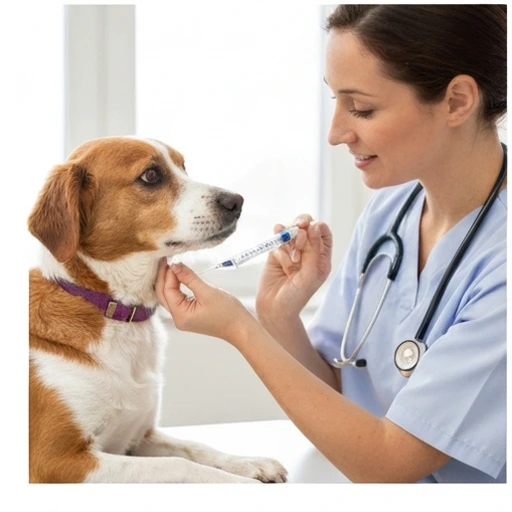
The Fundamental Limitation of Phenotypic Screening
Elbow scores represent phenotype, not genotype. A Grade 0 dog may carry genetic variants predisposing to ED without expressing the condition, either due to favorable environmental factors (controlled growth rate, appropriate nutrition) or random chance in the polygenic threshold model. Conversely, a Grade 1 dog may have been pushed across the threshold by environmental insult despite relatively favorable genetics.
Malm et al. (2008) demonstrated this limitation elegantly: among Swedish German Shepherd breeding pairs where both parents scored ED 0, 12.4% of offspring still developed ED. When extended family data (siblings, half-siblings, aunts/uncles) was incorporated into estimated breeding values (EBVs), prediction accuracy improved substantially. The breeding program using EBVs reduced population ED prevalence by 8.2% over 15 years versus 2.1% reduction in programs using phenotype-only selection.
Key Concept: Estimated Breeding Values
An EBV estimates an individual's genetic merit by incorporating information from relatives. A dog with ED 0 but multiple affected siblings has a poorer EBV than an ED 0 dog from a completely clear family. Finnish and Swedish kennel clubs calculate EBVs automatically; in other countries, breeders must perform pedigree analysis manually.
Basic Breeding Guidelines by Grade
While acknowledging the limitations of phenotype-only decisions, most breeders lack access to formal EBV calculations. The following guidelines represent consensus recommendations from IEWG member organizations, modified by my clinical experience:
Grade 0 (Normal/Clear)
Eligible for breeding. Select partners with equal or better elbow status. Review pedigree for affected relatives before proceeding. If both parents are Grade 0 with no affected first-degree relatives, offspring risk is approximately 5-8% for breeds with moderate baseline prevalence.
Grade 1 (Mild Arthrosis)
Breeding decisions require careful consideration. May be bred only to Grade 0 partners with exceptionally clean pedigrees. Avoid doubling up on any common ancestors with ED history. Expected offspring risk increases to 15-25%. Many breed clubs prohibit Grade 1 breeding entirely.
Grade 2 (Moderate ED)
Should not be bred under any circumstances. Radiographic evidence of moderate osteoarthritis indicates genuine pathology with high heritability. Breeding Grade 2 dogs perpetuates the condition regardless of partner quality.
Grade 3 (Severe ED)
Absolute breeding exclusion. Dogs with Grade 3 ED carry significant genetic load for the condition and often have clinically significant lameness requiring surgical management. No breeding justification exists.
The Mating Matrix: Pairing Strategies
When both elbow scores and pedigree information are available, this matrix provides risk assessment for specific mating combinations:
| Sire Grade | Dam Grade | Pedigree Status | Estimated Offspring Risk | Recommendation |
|---|---|---|---|---|
| 0 | 0 | Both families clear 3+ generations | 3-6% | Excellent |
| 0 | 0 | One affected sibling in either line | 8-12% | Acceptable |
| 0 | 0 | Affected parent or multiple siblings | 15-20% | Caution |
| 0 | 1 | Grade 1 has clean siblings | 12-18% | Caution |
| 0 | 1 | Grade 1 has affected siblings | 20-30% | Not recommended |
| 1 | 1 | Any pedigree | 30-45% | Avoid |
Risk estimates based on German Shepherd data (Maki et al., 2000; Malm et al., 2008). Actual risk varies by breed baseline prevalence.
Pedigree Analysis: What to Look For
Manual pedigree analysis requires systematic examination of available screening data across multiple generations. For breeds without formal EBV systems, this remains the best available method for estimating genetic risk.
Collect Screening Data
Gather elbow scores for: parents, grandparents, siblings (full and half), aunts/uncles, and any available offspring data. OFA, BVA/KC, and national kennel club databases are primary sources. Minimum useful depth: 2 generations with >50% of relatives screened.
Calculate Affected Rates
Determine percentage affected (Grade 1+) among screened relatives at each generational level. Compare to breed baseline. A dog with 0% affected siblings but 25% affected half-siblings from one parent suggests that parent carries unfavorable alleles.
Identify Common Ancestors
When planning specific matings, trace pedigrees for common ancestors. If both dogs descend from a known ED-affected or ED-producing ancestor, avoid the mating regardless of individual phenotypes. Inbreeding on unfavorable genetics concentrates risk.
Weight Recent Data More Heavily
First-degree relatives (parents, full siblings) provide more predictive information than distant relatives. A clear-screened full sibling reduces risk estimate more than a clear-screened great-grandparent. Prioritize recent, complete data.
Breed-Specific Considerations
Baseline breed prevalence affects acceptable risk thresholds. What constitutes progress in a 35% prevalence breed would represent regression in a 5% prevalence breed.
| Breed Category | Baseline Prevalence | Selection Strategy |
|---|---|---|
| High prevalence (>25%) Rottweiler, Bernese Mountain Dog | 25-40% | Breed only Grade 0 to Grade 0; accept slightly elevated risk given limited clear stock. Focus on producing more screened offspring to improve data quality. |
| Moderate prevalence (10-25%) German Shepherd, Belgian Malinois | 10-25% | Grade 0 to Grade 0 preferred; Grade 0 to Grade 1 acceptable only with exceptional pedigree analysis supporting the Grade 1 individual. |
| Low prevalence (<10%) Border Collie, Australian Cattle Dog | <10% | Strict Grade 0 to Grade 0 only. Any affected dog likely represents significant genetic load given breed baseline. Avoid all Grade 1+ dogs in breeding. |
Popular Sire Syndrome
Disproportionate breeding use of a single "clear" male can introduce genetic homogeneity that unmasks recessive deleterious alleles in subsequent generations. Even if a popular sire screens Grade 0 with an excellent pedigree, limiting any individual dog to 5% of breed registrations prevents excessive genetic influence. ED reduction requires population-wide diversity, not concentration on a few "proven" sires.
Managing Grade 1 Dogs
Grade 1 presents the most challenging breeding decision. These dogs show only minimal radiographic changes, often equivocally interpreted between evaluators, yet carry genetic information that should not be ignored. Context determines whether breeding is justifiable:
Consider Breeding If:
- Dog has exceptional working ability or conformation otherwise unavailable
- All screened siblings (n>3) are Grade 0
- Both parents Grade 0 with clean extended family
- Partner is Grade 0 with verified clean pedigree
- Breed has limited genetic diversity requiring compromise
Exclude from Breeding If:
- Any sibling Grade 2 or higher
- Either parent Grade 1 or higher
- Multiple first-degree relatives affected
- Breed has low baseline prevalence
- Adequate Grade 0 alternatives exist for breeding goals
Puppy Buyer Counseling
Breeders using elbow-screened stock should communicate realistic expectations to puppy buyers. Even optimally planned matings produce some affected offspring. Honest disclosure prevents disappointment and builds trust:
- Provide copies of both parents' elbow certificates with puppy documentation
- Explain that clear parents reduce but do not eliminate ED risk
- Recommend puppy buyers screen at 12-24 months before athletic training
- Establish clear policies for health guarantee coverage of ED
- Report all offspring screening results back to breeder for pedigree data
Health Guarantee Considerations
Given ED's polygenic inheritance and environmental influences, most ethical breeders offer partial (50%) replacement or refund for Grade 2+ ED diagnosed before age 2, rather than full guarantees that are financially unsustainable given the condition's prevalence. Buyers should understand that some risk is inherent even with screened parents.
The Path Forward: Genomic Selection
Traditional phenotypic selection has produced modest ED reduction over 30 years, frustrating breeders who comply with screening requirements yet continue producing affected offspring. Genomic selection offers potential breakthrough.
Several research groups have identified QTLs (quantitative trait loci) associated with ED components, particularly for UAP (Bartolome et al., 2015) and FCP (Lavrijsen et al., 2014). However, no commercially available genomic test yet provides sufficient predictive accuracy to replace radiographic screening. Current panel tests explain only 10-15% of genetic variance.
Within 5-10 years, genomic EBVs incorporating SNP data alongside pedigree and phenotype information will likely become available for high-prevalence breeds. Early adopters should monitor developments from:
- ISAG (International Society for Animal Genetics) canine working group
- AKC Canine Health Foundation funded research
- University of Bern veterinary genetics department
- Uppsala University companion animal genetics program
Related Database Resources
- Understanding ED Components - Why different grades have different heritability
- Breed Prevalence Statistics - Baseline rates for risk assessment
- Screening Protocol - Ensuring accurate phenotype data
- The Herding Gene - Genetic testing guidance for herding breeds
Summary: Practical Recommendations
- Screen all breeding stock at minimum 12 months, preferably 24 months for official certification
- Breed Grade 0 to Grade 0 as default; exceptions require compelling justification
- Analyze pedigrees beyond individual phenotype; relative data improves prediction
- Avoid common ancestors with ED history when planning matings
- Report all offspring results to build population data for future selection
- Monitor genomic developments for improved selection tools
- Communicate honestly with puppy buyers about residual risk
Genetic progress against elbow dysplasia is possible but requires sustained commitment across generations. Each conscientious breeding decision contributes incrementally to population improvement. The goal is not perfection in any single mating, but consistent selection pressure that shifts the population distribution toward soundness over time.