
Fragmented medial coronoid process represents the most common manifestation of elbow dysplasia, accounting for 65-70% of all ED diagnoses in screening programs. This seemingly small anatomical structure, when diseased, triggers a cascade of cartilage damage and progressive osteoarthritis that significantly impacts affected dogs' quality of life. Despite its prevalence, FCP remains one of the most diagnostically challenging orthopedic conditions, often invisible on standard radiographs yet causing profound clinical consequences.

Anatomy of the Medial Coronoid Process
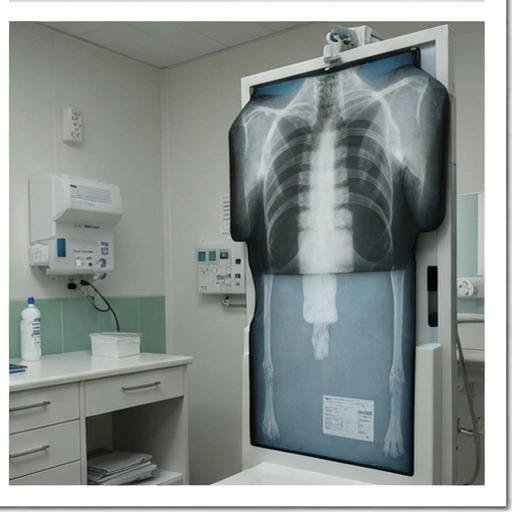
The medial coronoid process is a bony projection on the medial aspect of the ulna that forms part of the trochlear notch articulating with the humeral trochlea. This structure serves as a critical weight-bearing surface, supporting approximately 60% of the load transmitted through the elbow joint during normal locomotion.
The coronoid develops from a separate ossification center that normally fuses with the ulnar metaphysis by 16-20 weeks of age. In dogs predisposed to FCP, this fusion may be incomplete or the fused process may subsequently fragment due to abnormal mechanical loading.
Anatomical Relationships
The medial coronoid articulates with both the humeral trochlea and the radial head, creating a complex weight-bearing surface. Even subtle changes in coronoid contour or position alter force distribution across the entire medial compartment, explaining why FCP so consistently leads to progressive osteoarthritis affecting multiple joint surfaces.
Pathophysiology of FCP
The exact pathogenic mechanism of FCP remains debated, but current evidence supports two primary theories that likely operate in combination:
Incongruity Theory
When the ulna is relatively short compared to the radius (short ulna incongruity), the humeral condyle contacts the medial coronoid with excessive force while the radial head bears less than normal load. This abnormal force concentration exceeds the coronoid's structural capacity, leading to microfractures, cartilage damage, and eventual fragmentation.
Preston et al. (2000) demonstrated that even 2mm of radio-ulnar incongruity significantly alters joint contact mechanics. Dogs with subtle incongruity may show no obvious radiographic step defect yet still experience abnormal coronoid loading sufficient to cause FCP.
Developmental Theory
Some investigators propose that FCP results from primary developmental failure rather than secondary mechanical damage. The coronoid ossification center may fail to receive adequate blood supply during the critical growth phase, leading to ischemic necrosis and subsequent fragmentation independent of joint loading patterns.
The truth likely involves both mechanisms: developmental predisposition combined with abnormal mechanical loading determines which genetically susceptible dogs develop clinical FCP.
Histological Findings
Examination of surgically removed coronoid fragments reveals consistent patterns: chondromalacia (cartilage softening), fissuring of the articular surface, subchondral bone necrosis, and microfracture lines. Danielson et al. (2006) found that 78% of fragments showed evidence of both cartilage disease and underlying bone pathology, supporting the concept of combined articular and subchondral involvement.
Clinical Presentation
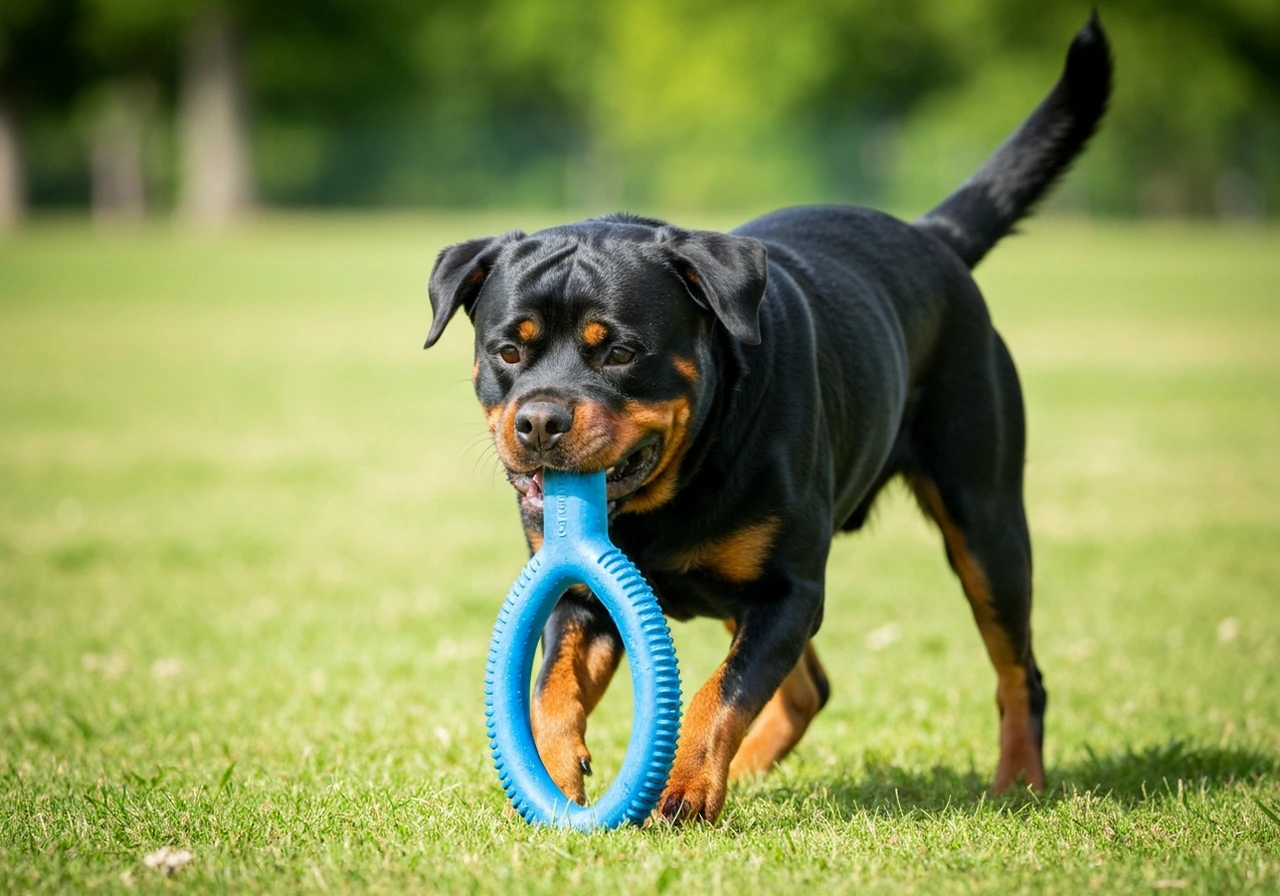
Dogs with FCP typically present between 5-12 months of age, though the condition may remain subclinical until secondary osteoarthritis becomes advanced. Clinical signs vary considerably based on lesion severity and whether unilateral or bilateral disease is present.
Common Presenting Signs
- Forelimb lameness: Often intermittent initially, worsening with exercise. May be most pronounced after rest (warming up stiffness) or after prolonged activity (exercise intolerance).
- Altered gait: Dogs may externally rotate the paw during swing phase to reduce coronoid loading. Shortened stride length on the affected limb.
- Elbow effusion: Palpable joint swelling, most obvious on the lateral aspect of the elbow.
- Pain on manipulation: Discomfort during forced flexion-extension and particularly during supination of the antebrachium with the elbow flexed.
- Reduced range of motion: Decreased flexion and extension compared to normal elbows.
The Bilateral Challenge
Approximately 50-60% of FCP cases are bilateral. Dogs with symmetric disease may show no obvious lameness because both limbs are equally affected. Instead, owners notice reluctance to exercise, difficulty rising, or subtle gait abnormalities visible only in slow-motion video. Never assume absent lameness excludes FCP, particularly in high-risk breeds.
Diagnostic Approach
FCP presents a significant diagnostic challenge because the lesion is often invisible or equivocal on standard radiographs. A systematic approach combining clinical examination with appropriate imaging is essential.
Physical Examination
Careful orthopedic examination should include observation of gait at walk and trot, palpation for joint effusion, range of motion assessment, and specific provocative tests. The "coronoid compression test" involves applying direct pressure over the medial coronoid while flexing the elbow; pain response suggests coronoid pathology.
Radiographic Evaluation
Standard radiographic views detect only 60-70% of FCP lesions confirmed by arthroscopy or CT. Radiographic signs suggesting FCP include:
- Subchondral sclerosis of the trochlear notch base
- Blunting or irregularity of the coronoid apex
- Osteophytes on the anconeal process and radial head
- Visible fragment (present in only 30-40% of cases)
- Widening of the joint space medially suggesting cartilage loss
| Imaging Modality | Sensitivity for FCP | Advantages | Limitations |
|---|---|---|---|
| Standard Radiography | 60-70% | Widely available, low cost | Many lesions invisible; relies on secondary OA signs |
| Oblique Radiography | 75-85% | Improved coronoid visualization | Technique-dependent; training required |
| CT Scan | 95%+ | Excellent bone detail; fragment detection | Cost; anesthesia required |
| Arthroscopy | Gold standard | Direct visualization; allows treatment | Invasive; anesthesia; cost |
CT Imaging
Computed tomography has become the diagnostic gold standard for FCP when clinical suspicion is high but radiographs are equivocal. CT provides excellent bone detail, clearly demonstrating coronoid fragmentation, fissures, and sclerosis. Modern helical CT with multiplanar reconstruction achieves sensitivity exceeding 95% for FCP detection.
For breeding stock evaluation where radiographic findings are borderline, CT provides definitive classification that may prevent breeding decisions based on false-negative radiographic screening.
Treatment Options
Management of FCP ranges from conservative approaches suitable for mild cases to various surgical interventions for dogs with significant clinical impact. Treatment selection depends on lesion severity, presence of loose fragments, degree of secondary osteoarthritis, and intended activity level.
Conservative Management
Non-surgical management may be appropriate for dogs with mild clinical signs, particularly older dogs where osteoarthritis is already established. Conservative protocols include:
- Weight management: Maintaining lean body condition reduces joint loading and is the single most impactful non-surgical intervention.
- Exercise modification: Low-impact activities (swimming, leash walks) replacing high-impact exercise (jumping, ball chasing).
- Pharmacological support: NSAIDs for pain control; joint supplements (glucosamine, omega-3 fatty acids) for potential chondroprotective effects.
- Physical rehabilitation: Therapeutic exercises to maintain muscle mass and joint range of motion.
Conservative Management Limitations
While conservative management controls symptoms, it does not address underlying pathology. Loose coronoid fragments continue to cause mechanical irritation and cartilage damage. Dogs managed conservatively typically experience progressive osteoarthritis and eventual functional decline, though the timeline varies considerably.
Arthroscopic Fragment Removal
Arthroscopic surgery has become the standard intervention for FCP in most referral practices. The minimally invasive approach allows direct visualization of the coronoid, fragment removal, debridement of damaged cartilage, and assessment of the entire joint with minimal tissue trauma.
Arthroscopic Procedure
Through small portals, the surgeon visualizes the medial compartment and removes loose or unstable coronoid fragments using arthroscopic instruments. Damaged cartilage is debrided to stable margins. The joint is thoroughly lavaged to remove debris. Most dogs are weight-bearing within 24-48 hours with full recovery expected by 6-8 weeks.
Proximal Ulnar Osteotomy
When significant elbow incongruity contributes to FCP, ulnar osteotomy may improve joint congruence and redistribute forces away from the overloaded medial compartment. The procedure involves cutting the ulna proximal to the coronoid, allowing the distal fragment to shift and reduce incongruity.
Fitzpatrick et al. (2009) reported improved outcomes when ulnar osteotomy was combined with arthroscopic fragment removal compared to fragment removal alone in dogs with documented incongruity. However, outcomes remain variable, and patient selection significantly influences results.
Surgical Outcomes
Reported outcomes after FCP surgery vary substantially across studies, reflecting differences in patient selection, surgical technique, and outcome measures. General expectations include:

| Outcome Measure | Expected Result | Factors Affecting Outcome |
|---|---|---|
| Lameness improvement | 70-85% improved or resolved | Pre-existing OA severity; patient age at surgery |
| OA progression | Most dogs continue to develop OA | Cartilage status at surgery; joint congruence |
| Return to activity | 80-90% return to normal or near-normal | Activity level expectations; owner compliance |
| Long-term function (5+ years) | Variable; many require ongoing OA management | Initial severity; weight management |
Early Intervention Advantage
Surgical outcomes correlate strongly with the degree of cartilage damage and osteoarthritis present at the time of intervention. Dogs treated before significant secondary changes develop generally achieve better long-term function than those with advanced joint disease. This supports early screening and prompt referral for symptomatic young dogs.
Prognosis and Long-Term Management
The long-term prognosis for dogs with FCP depends on multiple factors including initial severity, treatment approach, and ongoing management. Most dogs with FCP develop progressive osteoarthritis regardless of treatment, though the rate of progression and impact on quality of life varies substantially.
Dogs treated surgically early in the disease course, maintaining ideal body weight, and receiving appropriate ongoing care typically enjoy good quality of life for many years. However, owners should understand that FCP is a chronic condition requiring lifelong management rather than a one-time surgical cure.
Long-Term Management Strategies
- Maintain lean body condition (BCS 4-5/9) throughout life
- Continue low-impact exercise to maintain muscle mass and joint mobility
- Monitor for lameness progression and adjust management accordingly
- Consider periodic NSAID therapy during flare-ups
- Physical therapy and rehabilitation as needed
- Annual veterinary reassessment of joint status
Related Database Resources
- Understanding ED Components - Complete overview of FCP, OCD, and UAP
- OCD of the Elbow - The second most common ED component
- Surgical Interventions - Detailed surgical options for ED
- Conservative Management - Non-surgical treatment protocols
- Radiographic Diagnosis - Imaging techniques for ED detection
Genetic Considerations
FCP demonstrates moderate heritability (0.27-0.45) and polygenic inheritance. Dogs with FCP should not be bred, as they carry genetic variants that increase offspring risk substantially. Even dogs with subclinical FCP detected only on screening radiographs represent breeding risks.
For breeding programs, the key insight is that FCP-producing genetic variants exist in many phenotypically normal dogs. Breeding decisions should consider not just individual screening results but family history including siblings, parents, and offspring data where available.